
The luxury beauty industry has always been at the forefront of innovation, blending artistry, aspiration, and cutting-edge technology. In recent years, a new force has begun reshaping how premium beauty brands communicate their identity: artificial intelligence–generated models.
As consumer interactions increasingly move to digital-first platforms, luxury beauty brands are exploring AI models to create visually striking, scalable, and highly controlled brand imagery.
From campaign visuals to eCommerce catalogs, AI-generated beauty models offer unprecedented creative flexibility while aligning with evolving digital consumption habits. However, their adoption also raises important questions around authenticity, exclusivity, and brand trust—core pillars of luxury branding.
This article examines how luxury beauty brands are experimenting with AI models, why this trend is accelerating, and what it means for the future of high-end beauty marketing.
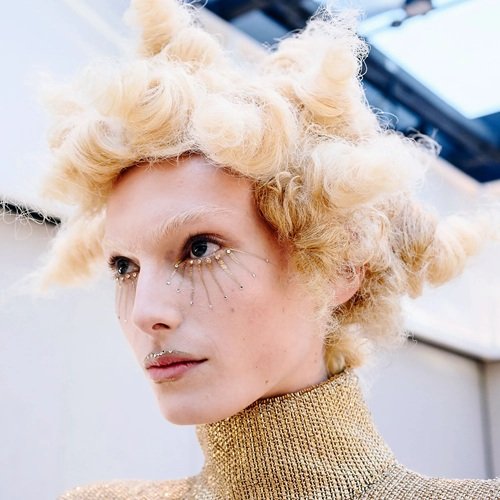
Why Luxury Beauty Brands Are Turning to AI Models
Luxury brands are adopting AI models not to replace human creativity, but to enhance efficiency and creative control in an increasingly competitive landscape.
Key drivers include:
- Creative scalability: AI models allow brands to generate multiple campaign variations without repeated photoshoots.
- Global consistency: Visual identity remains uniform across regions while enabling localized customization.
- Cost optimization: Reduced dependency on large-scale physical shoots, international travel, and production teams.
- Speed to market: Faster campaign execution aligned with rapid digital launch cycles.
For luxury brands, AI models function as a strategic tool—supporting creative teams rather than substituting them.
How AI-Generated Models Are Used in Luxury Beauty Campaigns
Luxury beauty brands are selectively integrating AI models across specific touchpoints where precision and consistency matter most.
Common use cases include:
- Digital advertising: High-end social media campaigns and programmatic display ads.
- E-commerce visuals: Product-focused imagery that highlights textures, shades, and finishes.
- Virtual brand ambassadors: AI-generated faces designed to reflect brand values and aesthetics.
- Concept testing: Visual experimentation before committing to full-scale campaigns.
These applications allow brands to test creative concepts rapidly while preserving a premium visual standard.
Also Read: Top 10 Best Digital Wrist Watch Brands
Case Studies: Luxury Beauty Brands Experimenting with AI Models
Several luxury beauty houses have quietly tested AI-generated models in limited campaigns or digital-only activations. These experiments typically focus on controlled environments—such as website banners, limited-edition product launches, or regional digital campaigns—rather than flagship global advertisements.
Observed outcomes include:
- Higher engagement on visually novel content
- Improved creative iteration cycles
- Mixed consumer reactions depending on transparency and execution quality
Brands that clearly position AI visuals as a creative experiment tend to see stronger acceptance than those presenting them as human substitutes.
Balancing Exclusivity and Authenticity in AI-Driven Branding
Luxury branding relies heavily on emotional resonance, storytelling, and perceived authenticity. AI models challenge this balance if not deployed carefully.
Successful strategies include:
- Using AI models as editorial or conceptual elements, not brand replacements
- Combining AI visuals with real brand narratives and craftsmanship stories
- Maintaining human-led creative direction
- Avoiding hyper-perfect imagery that feels artificial or unattainable
When used strategically, AI models can support exclusivity rather than dilute it.
Ethical, Legal, and Brand Reputation Considerations
As AI models become more realistic, ethical and legal questions grow more prominent.
Key considerations for luxury brands:
- Transparency: Clearly disclosing AI-generated visuals builds consumer trust.
- Diversity representation: Avoiding algorithmic bias in beauty standards.
- Intellectual property: Ensuring AI-generated faces do not resemble real individuals.
- Regulatory compliance: Aligning with advertising and synthetic media guidelines.
Luxury brands must balance innovation with responsibility to protect long-term brand equity.
Also Read: How Introverts and Extroverts Can Both Win at Personal Branding
Future of AI Models in Luxury Beauty Branding
The future points toward human–AI hybrid campaigns, where AI enhances creative efficiency while human models anchor emotional storytelling. Personalization, dynamic content generation, and virtual try-on experiences will further integrate AI into luxury beauty ecosystems.
Expected trends include:
- Personalized AI visuals tailored to consumer preferences
- Limited-edition AI-driven digital campaigns
- Increased collaboration between creative directors and AI designers
- Clear ethical frameworks governing AI usage
AI models will likely remain a complementary asset—powerful when aligned with human creativity and brand values.
Conclusion
Luxury beauty brands are experimenting with AI models as a strategic extension of their creative toolkit. While AI offers scalability, speed, and visual control, it cannot replace the emotional depth and authenticity that define luxury branding. Brands that approach AI thoughtfully—prioritizing transparency, ethics, and storytelling—are best positioned to leverage its benefits without compromising exclusivity. In the evolving landscape of luxury beauty marketing, AI models are not a replacement for human artistry but a catalyst for innovation.
FAQs about How Luxury Beauty Brands Are Using AI Models in Marketing
Are luxury beauty brands replacing human models with AI?
No. Most brands use AI models to complement human creativity, not replace real models entirely.
Why are AI models attractive to luxury beauty brands?
They offer creative scalability, cost efficiency, and faster campaign execution while maintaining visual consistency.
Do consumers trust AI-generated beauty models?
Trust depends on transparency. Clearly disclosed AI visuals are generally better received.
Are AI beauty models ethical to use?
They can be, provided brands address bias, representation, and disclosure responsibly.
Will AI models dominate luxury beauty advertising in the future?
More likely, brands will adopt hybrid approaches combining AI efficiency with human storytelling.
Feel free to contact us for Business Branding Services and Website Design Services in Ahmedabad.

